

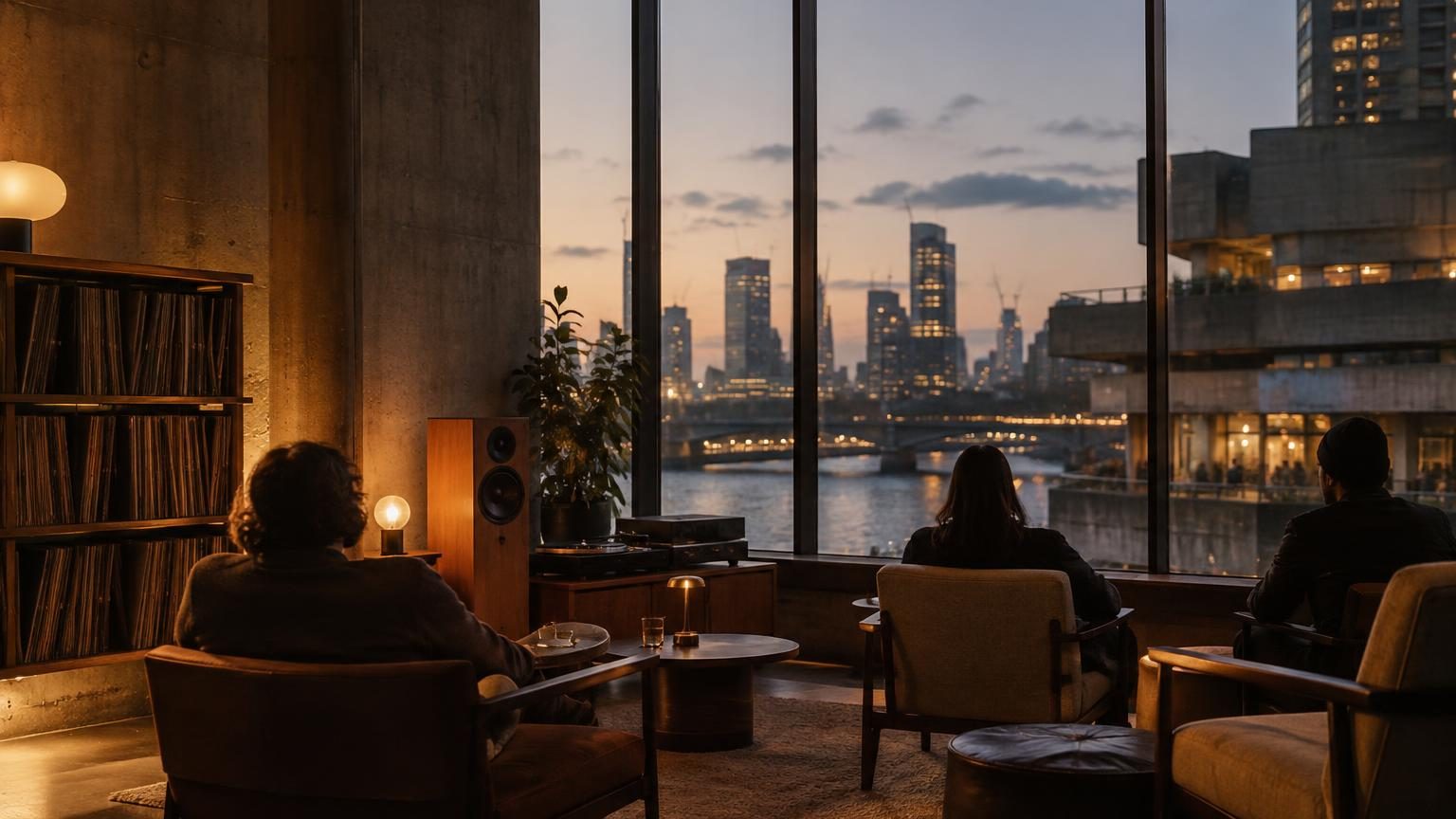
Spiritland at the Barbican: when a listening bar enters London’s cultural core
Music at the Barbican does not only happen on a stage. Since 20 October 2026, Spiritland has occupied a temporary space on Level 2 of the London arts centre, overlooking its lake, and is due to remain there until the end of July 2027. This is not simply another listening bar opening. Its location is the point: Spiritland has moved into an institution already shaped by concerts, cinema, exhibitions, architecture and the everyday movement of people through the building.
The Barbican describes Spiritland as open six evenings a week and during the day at weekends, with a programme of music selections, listening sessions, talks, tastings, supper clubs and album playbacks. At 5pm each day, a full album is played. It is not a silent listening room, and it is not a dancefloor. It is a social setting where music has a defined role while remaining alongside conversation, food, a drink, or the time before and after a performance.
A format in a different setting
Listening bars are now a recognisable part of London’s nightlife and hospitality landscape. The Barbican changes the context. Rather than creating a destination from scratch, Spiritland joins a building people already visit for many reasons. You might come for a concert or a film, then find an album starting at five. Or, as the Barbican notes, you can walk in without a ticket and let the music become part of a visit that was meant to be about something else.
That shift is what makes the project worth following. A format that developed between hospitality and music culture is being folded into the daily life of a major arts institution. Our reading is not that hi-fi has suddenly become culture’s main event. It is that careful listening can become part of a city’s lighter cultural infrastructure: something available between work, a walk through the City and an evening programme, rather than a rare occasion with a set of rules around it.
The musical proposition remains clear. The Barbican lists jazz, soul, classical and ambient among the sounds played there, alongside talks and album-focused sessions. What Hi-Fi? has reported on the Living Voice system installed for the room and on Spiritland’s format-flexible approach to playback. The equipment is not the story in itself. It matters because it supports a straightforward premise: recorded music deserves time and attention, not only background status.
An album at five
The daily full-album playback at 5pm may be the project’s most useful gesture. In a city built around movement, messages and playlists, a fixed time for hearing a record from beginning to end creates a modest interruption. No grand ritual is required. It simply asks people to stay with a piece of music for its full length.
There is a useful connection here with In-Edit Barcelona 2026: when cinema makes us listen again. The question in both cases is not how much culture we can fit into an evening, but what happens when something makes us return to an artist, a record or a sound with greater attention. At the Barbican, that prompt comes from a room, a recurring hour and a programme that puts an album in focus without turning the bar into a concert hall.
Its temporary status matters too. Spiritland at the Barbican is not presented as a permanent new venue; it is scheduled to close at the end of July 2027. That makes it a real-world test. It does not prove that every cultural institution needs a listening bar. But it does show a space worth taking seriously between programming, hospitality and public life: somewhere listening well can become an ordinary part of being in London.
Sources
For Instagram, save the Story photo and add the copied link to your Instagram Story. Direct publishing from a website is not supported.
More Stories
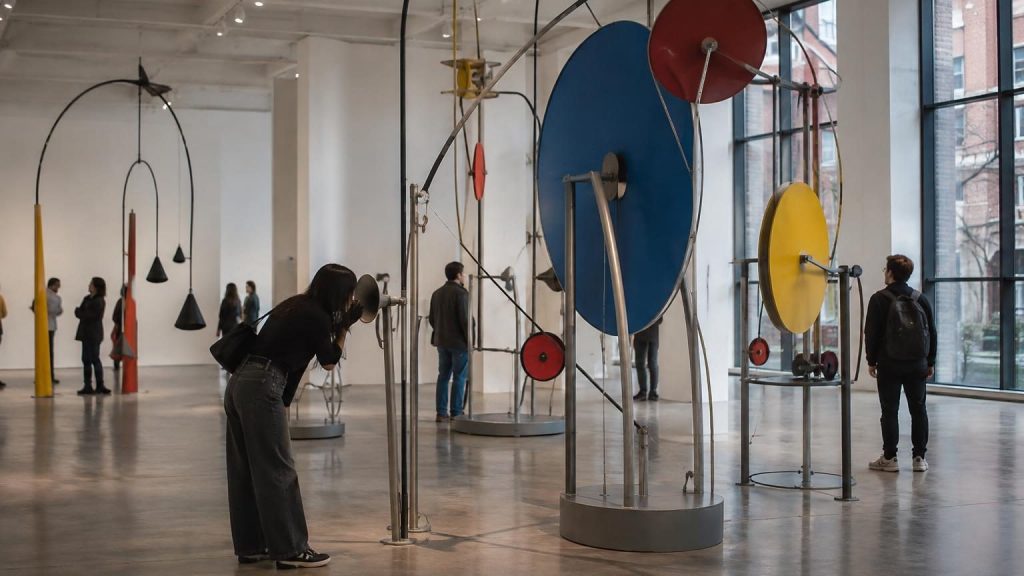
Onomatopia: Yuri Suzuki’s sonic fairground in London
Wheels, carousels and rollercoasters become instruments. In London, Yuri Suzuki puts sound at the heart of spatial design. Here is what caught our attention.
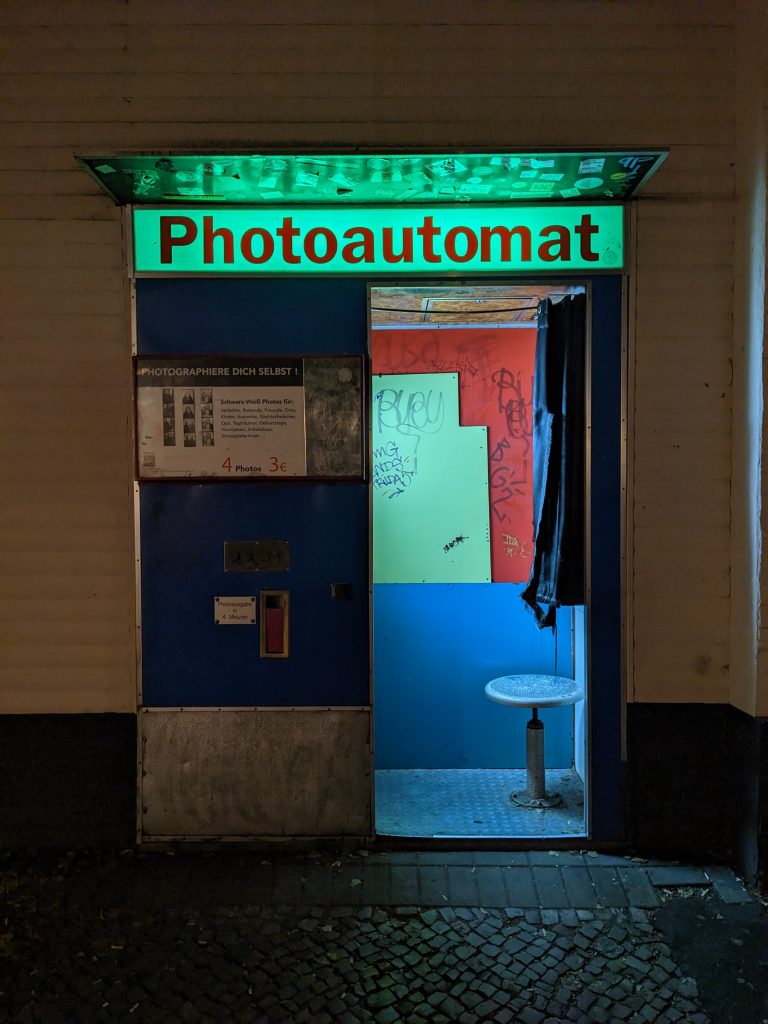
Four Frames, No Retakes: Inside Europe’s Analogue Photobooth Revival
From London and Paris to Barcelona and Berlin, discover the revival of genuine analogue photobooths, why their imperfect portraits matter, and where to find them.